Farmland vs Fixed Deposits: Which Investment Creates Greater Wealth in 2026?
For decades, Fixed Deposits (FDs) have been one of the most trusted investment options for Indian families. They offer predictable returns, low risk, and capital protection. However, in today's rapidly changing economy, many investors are asking an important question:
Are fixed deposits enough to build long-term wealth?
With inflation steadily increasing and land becoming scarcer every year, many investors are now exploring farmland investment as an alternative asset class. Managed farmland offers something that traditional investments often cannot capital appreciation, passive agricultural income, and ownership of a tangible asset.
If you're planning your investment strategy for 2026, this guide compares farmland and fixed deposits to help you understand which option aligns better with your financial goals.

Understanding the Difference Between Fixed Deposits and Farmland
Every investment serves a different purpose depending on an investor's financial objectives. While Fixed Deposits prioritize capital safety and predictable income, farmland focuses on long-term appreciation, wealth creation, and passive agricultural returns. Understanding these differences is the first step toward making a smart investment decision.
What Are Fixed Deposits?
Fixed Deposits provide:
- Guaranteed returns
- Fixed interest rates
- Capital protection
- Low investment risk
- Easy liquidity
FDs are suitable for conservative investors seeking predictable returns.
What Is Managed Farmland?
Managed farmland is professionally maintained agricultural land where experts handle:
- Plantation
- Irrigation
- Farm maintenance
- Harvesting
- Crop management
Investors own the land while professionals manage daily farming activities.
Return on Investment – Which Creates More Wealth?
While Fixed Deposits provide fixed annual returns, farmland investment returns have the potential to generate significantly greater long-term wealth through land appreciation, agricultural income, and increasing demand for managed farmland. The actual returns depend on location, infrastructure growth, and the quality of farm management, making farmland a growth-oriented investment for those seeking capital appreciation alongside sustainable income opportunities.
Fixed Deposit Returns
Typical FD returns range between:
- 6%–7% annually
- Guaranteed income
- Low volatility
However, inflation often reduces the real purchasing power of these returns.
Farmland Returns
Managed farmland offers returns through:
- Land appreciation
- Crop harvest income
- Timber plantations
- Fruit orchards
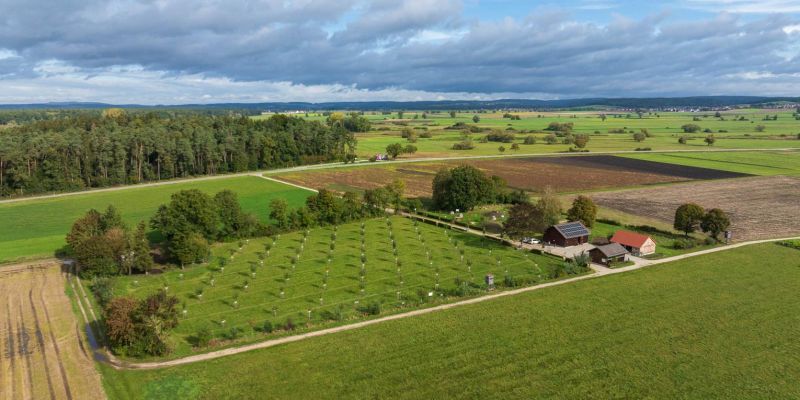
Over time, appreciation in developing regions may exceed traditional fixed-income investments.
Inflation Protection – Why Land Often Performs Better
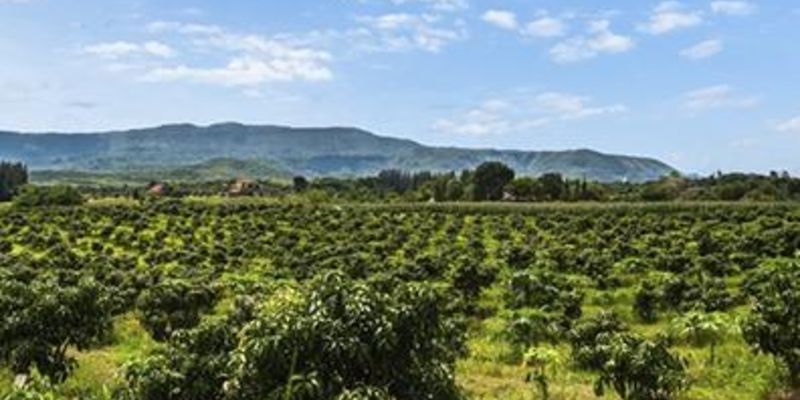
Inflation reduces the real value of money over time, making it important to invest in assets that can preserve purchasing power. While Fixed Deposits provide stable interest, their real returns may decline when inflation rises. Farmland, on the other hand, has historically benefited from increasing land values and agricultural demand.
Impact of Inflation on Fixed Deposits
When inflation exceeds interest earned:
- Purchasing power decreases
- Real returns become lower
- Wealth creation slows
How Farmland Protects Wealth
Farmland benefits from:
- Rising land demand
- Limited land availability
- Infrastructure development
- Agricultural productivity
This helps preserve and grow long-term wealth.
Passive Income Opportunities Through Managed Farmland
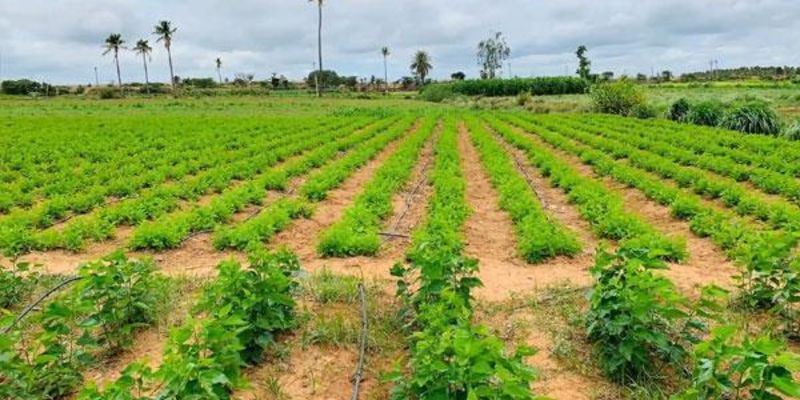
One of the biggest advantages of managed farmland is the ability to generate passive income while professionals handle day-to-day farming activities. Investors can enjoy the benefits of agriculture without requiring farming knowledge or daily involvement.
How Managed Farmland Generates Income
Professional teams manage:
- Plantation
- Irrigation
- Harvesting
- Crop sales
- Maintenance
Investors receive returns generated through agricultural activities.
Additional Revenue Sources
Potential income may come from:
- Fruit harvesting
- Timber plantations
- Organic farming
- Future agritourism
This creates multiple income opportunities over time.
Understanding the Risks of Farmland Investment
Like every investment, farmland also involves certain risks. However, choosing professionally managed farmland in strategic growth corridors can help reduce these challenges. Investors should understand both the opportunities and limitations before making investment decisions.
Liquidity
Compared to Fixed Deposits:
- Land requires more time to sell.
- Property transactions take longer.
- Liquidity is comparatively lower.
Agricultural Risks
Factors affecting agriculture include:
- Weather conditions
- Pest attacks
- Crop diseases
Professional management helps minimize these risks through modern farming techniques.

Tax Benefits of Investing in Farmland
Farmland investments can offer attractive tax advantages depending on the nature of the investment and prevailing tax regulations. Investors should always consult qualified tax professionals for personalized advice before making financial decisions.
Agricultural Income
Agricultural income may qualify for tax exemptions under applicable Indian tax laws, subject to eligibility and compliance requirements.
Long-Term Capital Gains
Eligible land transactions may also benefit from:
- Indexation benefits
- Reduced taxable gains
- Efficient tax planning
Professional tax guidance is recommended.

Farmland vs Residential Plots – Which Offers More Value?
While residential plots primarily depend on housing demand, managed farmland combines lifestyle advantages with long-term appreciation. Investors enjoy the flexibility of owning a green retreat while benefiting from agricultural productivity and future land value growth.
Residential Plots
Advantages include:
- Urban development
- Housing demand
- Infrastructure
Managed Farmland
Benefits include:
- Organic farming
- Weekend retreat
- Land appreciation
- Sustainable living
- Crop income
Farmland delivers both lifestyle and financial value.
Best Locations for Farmland Near Bangalore
Location plays a crucial role in determining long-term appreciation. Areas situated between 50 km and 90 km from Bangalore are witnessing significant infrastructure growth, making them attractive destinations for managed farmland investments.
High-Potential Investment Corridors
Popular locations include:
- Doddaballapur
- Chikkaballapur
- Kanakapura
- Thalli
- Denkanikottai
Why Doddaballapur Leads
The region benefits from:
- Airport connectivity
- STRR development
- Industrial growth
- Excellent road infrastructure
These developments continue to strengthen investment potential.
Who Should Consider Investing in Farmland?
Managed farmland is best suited for investors seeking long-term appreciation, portfolio diversification, and sustainable wealth creation. It is particularly attractive for individuals who value tangible assets, passive income, and nature-inspired lifestyles.
Ideal Investors
Farmland is suitable for:
- Long-term investors
- NRIs
- Professionals
- Retirees
- Wealth creators
Investment Goals
Farmland helps achieve:
- Diversification
- Inflation protection
- Passive income
- Legacy creation
- Lifestyle enhancement
Calculating ROI – Farmland vs Traditional Investments
Every investment decision should be based on realistic return expectations and long-term financial planning. A farmland vs FD comparison helps investors understand how different asset classes contribute to overall wealth creation, balancing stable returns with long-term appreciation potential.
ROI Formula
Return on Investment (ROI) is calculated as:
ROI (%) = (Net Profit ÷ Total Investment Cost) × 100
Typical Return Expectations
Fixed Deposits
- Approximately 6%–7% annual returns
- Stable and predictable
Managed Farmland
- Potential appreciation of 8%–12% or more depending on location, infrastructure growth, agricultural productivity, and market conditions.
Final Thoughts
Both Fixed Deposits and farmland serve different investment purposes. Fixed Deposits provide stability, guaranteed returns, and liquidity, making them suitable for short-term financial security. Managed farmland, however, offers the opportunity for long-term capital appreciation, passive agricultural income, inflation protection, and ownership of a tangible asset.
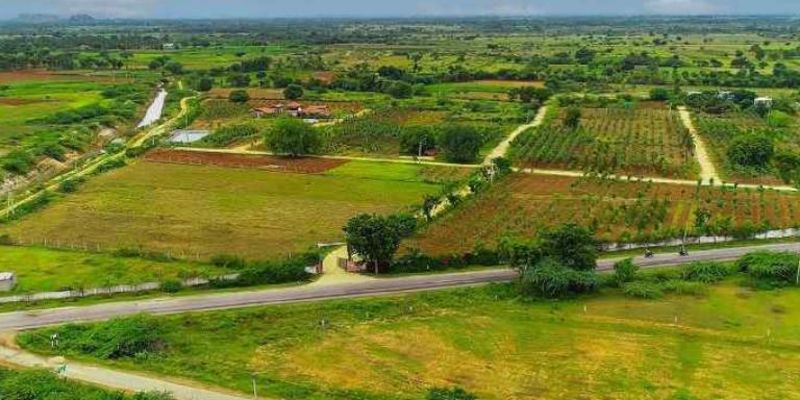
For investors looking beyond traditional savings instruments, professionally managed Farmlands in Doddaballapur near Bangalore present a compelling opportunity to diversify wealth while enjoying the benefits of sustainable living.
As infrastructure continues to expand across North Bangalore and regions like Doddaballapur, managed farmland is increasingly being recognized as a strategic investment for those who wish to combine financial growth with lifestyle value.